Stelton Mold Removal

Mold Removal in Stelton for Older Homes and Damp Basements

Mold Removal in Stelton means getting moisture out of a house built in the 1950s before it turns into a colony behind the drywall. Local providers work the Stelton section, from the Stelton Road area to Stelton Acres, handling black mold, musty basements and attic growth caused by roof leaks and summer humidity.

Emergency response
Free
Referral service, no cost to call
fall leaf-debris roof leak season
Right now in Stelton

Stelton overview

Mold Removal in Stelton, Built Around Older Homes

Why local providers work in Stelton

Stelton sits close enough to the Route 27 commercial corridor that humidity and storm runoff behave differently here than in newer parts of Edison. Older sewer laterals back up during heavy rain, and when they do, contaminated water wicks into basement drywall and carpet padding within hours. Local providers also see a steady stream of attic mold calls after roof leaks, especially on the tree-lined blocks near Stelton Baptist Church where gutters clog every October. Those are the jobs local providers built their Stelton service around: fast extraction, proper containment, and a drying plan that actually finishes.

Serving Stelton Road, Plainfield Avenue and every block in between

Stelton is one of the older established neighborhoods in Edison, and the housing stock shows it. Mid-century ranches and two-story colonials along the Plainfield Avenue corridor were built with full basements, and those basements sit in soil that holds water after every heavy storm. Add tree-lined streets that drop leaves and debris onto roofs every fall, and you get the two conditions mold needs most: moisture and organic material. Local providers handle mold remediation in Stelton New Jersey because this neighborhood needs a contractor who understands that pattern, not a franchise that treats every house the same. The provider's crews run thermal imaging cameras and moisture meters through basements, crawl spaces and attics before they quote anything. If the mold is behind drywall or under flooring, local providers find it. That is what mold removal near Stelton should look like.

Services available

Mold Removal Services Local providers Run in Stelton

Stelton mold removal covers more than spraying a wall and walking away. In this neighborhood, the work usually starts with a moisture problem you cannot see: a slow supply-line leak behind a kitchen wall, a crawl space with no vapor barrier, or a basement that stays at 65 percent humidity all summer. Local providers handle the full chain, from inspection and testing through remediation, drying and post-remediation verification. If you have been searching for mold removal in Stelton near me and want a crew that explains what it finds, this is the list of what local providers do here.

How local providers work locally

How Local providers Run Mold Removal in Stelton

Challenge: Mid-century basements with no vapor barrier or modern drainage

Stelton homes built in the 1950s were designed with full basements but not with the drainage systems local providers use today. Block walls wick ground moisture, and humidity climbs through the summer without any visible leak. That means mold can grow on joists and stored boxes even when the floor looks dry, so remediation has to address the moisture source, not just the visible growth.

Solution: Local providers moisture-map the entire basement, not just the wall with visible mold. If readings show ongoing wicking, local providers recommend a vapor barrier or encapsulation alongside the remediation. Dehumidifier sizing is based on the actual cubic footage, and local providers set it so the space stays under 50 percent relative humidity after they leave.

Challenge: Older sewer laterals that back up during heavy rain

When a sewer lateral backs up in Stelton, the water that reaches your basement is Category 3 contaminated. Anything porous it touches, including carpet, padding and lower drywall, has to come out. That turns what looks like a small cleanup into a remediation and rebuild job, and it usually happens during the same storms that cause roof leaks.

Solution: Local providers treat every backup as contaminated until proven otherwise. Affected materials are removed and disposed of properly, surfaces are disinfected with Benefect or Decon 30, and local providers document everything with photos for your insurance claim. Drying equipment goes in quickly so the structure does not stay wet while the claim is processed.

Neighborhoods local providers serve

Stelton sectionStelton AcresPlainfield Avenue corridorStelton Road areaVillage at SteltonBlocks near Stelton Community Center

Service area

Stelton

Latitude: 40.5234

Open in Google Maps

Local questions

How much does mold removal cost in Stelton?

Most Stelton mold removal jobs run $1,200 to $5,500, with full basement remediations sometimes reaching $8,000. Small bathroom or single-wall jobs are usually at the low end. The biggest cost drivers are square footage, whether drywall and insulation have to be removed, and whether a moisture source like a crawl space vapor barrier needs to be addressed at the same time. Local providers quote after inspection, not over the phone.

How do I choose a mold removal provider in Stelton?

Look for a provider that finds the moisture source first, sets containment before removal, and explains the scope and price before work starts. Ask about licensing, insurance, certifications, and post-remediation verification directly. Call (555) 555-1234 to get connected with an independent local provider in Stelton.

How do I get urgent mold help in Stelton?

The phone line is answered 24/7. Call (555) 555-1234 and we will connect you with an independent local mold provider. If you have a burst pipe, sewage backup, or flooding, shut off the water if you can and ask the provider about current availability.

When To Call

Signs You Need Mold Removal in Stelton

Mold does not always announce itself with a visible patch on the wall. In Stelton's older homes, it often starts behind drywall, under flooring or on the back of basement paneling where you never see it. These are the signs local providers hear about most from homeowners before they call them for mold inspection and removal in Stelton NJ. If two or more of them sound familiar, it is worth having someone look.

1. Musty smell that never goes away

A persistent musty odor in a Stelton basement or first-floor room usually means active mold growth somewhere nearby, even if you cannot see it. The smell comes from microbial volatile compounds, and it gets stronger when humidity rises. Air fresheners mask it but do not fix it. This is the single most common reason people call the provider.

2. Dark staining on basement walls or joists

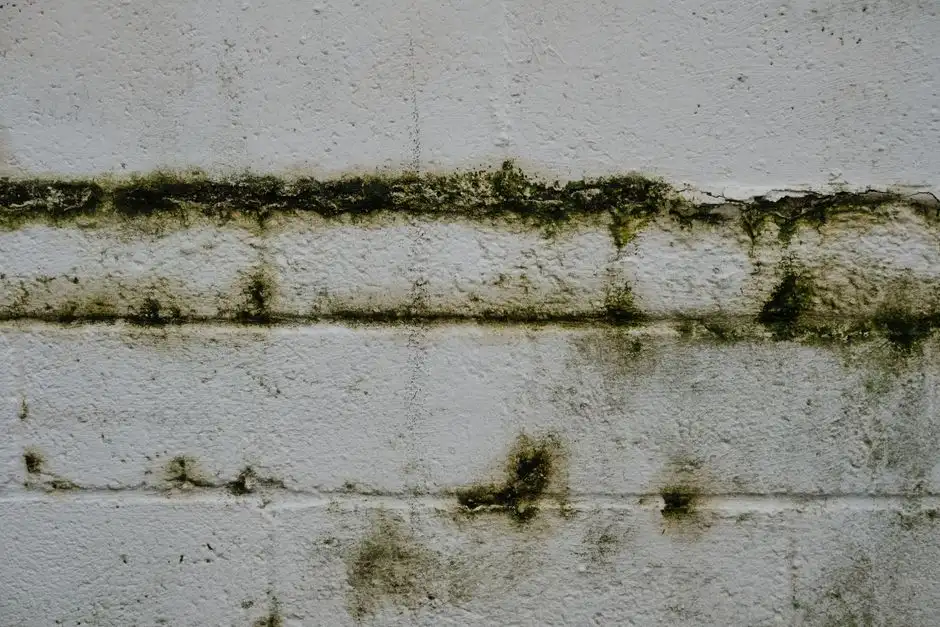
Black or greenish staining on block walls, joists or subfloor in a Stelton basement is often mold, but color alone does not confirm it. Stachybotrys (black mold) and common Cladosporium can look similar. Lab testing tells you which one you are dealing with, and that determines how aggressive the remediation needs to be.

3. Peeling paint or bubbling drywall

Paint that peels in sheets or drywall that bubbles usually means moisture is trapped behind the surface. In Stelton's older homes, this often traces to a slow supply-line leak or a roof flashing issue. By the time paint peels, the paper facing on the drywall is usually already feeding mold.

4. Allergy symptoms that get worse at home

If your eyes itch, your nose runs or you cough more inside the house than outside, mold spores in the air may be the cause. This is especially common in bedrooms above damp basements. Air quality testing gives you actual spore counts instead of guesses, and it is worth doing before you spend money on remediation.

5. Recent water event you did not fully dry

A burst pipe, a sewer backup, a roof leak or a flooded basement that was mopped up but not structurally dried is a mold job waiting to happen. Mold can start growing on wet drywall and framing within 24 to 48 hours. If the event happened more than two days ago and the space still smells damp, call the provider.

Local Problem Patterns

Common Mold Problems in Stelton Homes

Stelton has a specific set of conditions that drive mold calls: mid-century housing stock, full basements, mature trees, and storm drainage that was not designed for the rainfall local providers get now. Those factors combine differently depending on the block, but the same four problems come up over and over. Understanding why they happen is the first step toward fixing them for good.

Basement humidity that never drops below 60 percent

Why it happens here

Stelton's older basements were built with block walls and no exterior waterproofing. Ground moisture wicks through the block year-round, and in summer the humid air condenses on cool surfaces. Without a dehumidifier running, the space stays damp enough for mold to colonize joists and stored items.

The provider's approach

Local providers moisture-map the basement, treat existing growth, and size a dehumidifier to the actual cubic footage. Where wicking is the main issue, local providers recommend a vapor barrier or interior drainage. The goal is keeping the space under 50 percent relative humidity so mold cannot restart.

Attic mold from roof leaks and poor ventilation

Why it happens here

Tree-lined Stelton streets drop leaves and debris onto roofs every fall. Gutters clog, water backs up under shingles, and sheathing stays wet. Add a poorly ventilated attic that traps warm, humid air in summer, and mold spreads across the roof deck within a season.

The provider's approach

Local providers treat the sheathing and rafters, then fix the ventilation. Ridge vents, soffit vents and in some cases a powered vent make the difference. Local providers also tell you which gutters to clean and how often, because that is the cheapest prevention available.

Crawl space mold spreading into living space

Why it happens here

Many Stelton crawl spaces still have bare soil and open vents. Ground moisture rises into the joists, and the stack effect pulls that humid air up into the house. Homeowners notice musty odors on the first floor before they ever look under the house.

The provider's approach

Local providers remove the growth, install a 6-mil polyethylene vapor barrier sealed at the seams, and seal vents where code allows. In worse cases local providers recommend full encapsulation with closed-cell spray foam on the rim joists. That stops the moisture path instead of treating the symptom.

Sewage backups contaminating basement materials

Why it happens here

Older sewer laterals in Stelton can back up during heavy rain when the system is overwhelmed. The water that reaches your basement is Category 3, meaning it carries bacteria and viruses. Anything porous it touches has to be removed, not dried and reused.

The provider's approach

Local providers treat every backup as contaminated. Affected carpet, padding and drywall come out, surfaces get disinfected with Benefect or Decon 30, and local providers document everything for insurance. Drying equipment goes in quickly so the structure does not sit wet while the claim is processed.

Year-Round Coverage

How Seasons Affect Mold in Stelton

Mold in Stelton follows a seasonal rhythm. Late fall and winter bring roof leaks and ice dams. Spring brings snowmelt and basement seepage. Summer brings humidity that never lets up. Each season has its own risk pattern, and knowing what to watch for helps you catch a problem before it becomes a remediation job.

Spring

Snowmelt and spring rain push water into Stelton basements through foundation cracks and failed sump pumps. Crawl spaces stay wet longer than they should, and mold that went dormant over winter restarts. This is when local providers get the most calls about damp basements and musty first floors.

Tip

Test your sump pump before the first big rain. If it has not run since last spring, it may not start when you need it. Clear debris from window wells and check that grading slopes away from the foundation.

Summer

Humidity is the story in Stelton from June through September. Basements that stayed dry all winter climb past 60 percent relative humidity, and mold grows on joists, boxes and furniture. HVAC systems work harder, and condensate leaks around air handlers become more common.

Tip

Run a basement dehumidifier set to 50 percent and empty it or plumb it to a drain. Change HVAC filters monthly during cooling season, and check the condensate pan for standing water.

Fall

Falling leaves clog gutters on Stelton's tree-lined streets, and the first heavy rain finds every roof weakness. Attic mold calls spike in late fall and early winter as a result. This is also when homeowners start closing up the house and notice musty odors they missed all summer.

Tip

Clean gutters after the leaves drop, not before. Check attic sheathing for staining after the first big storm. If you smell something musty upstairs, have it inspected before winter.

Winter

Ice dams form on Stelton roofs when snow melts and refreezes at the eaves, pushing water under shingles and into attic insulation. Indoor humidity stays high because windows are closed, and mold can grow slowly all winter without anyone noticing until spring.

Tip

Keep attic insulation from blocking soffit vents, and watch for icicles forming at the eaves, which signal an ice dam. If you had a roof leak last winter, get the attic checked before the next snow.

Hiring Smart

Questions to Ask Before Hiring in Stelton

Not every contractor who shows up in a truck with a sprayer is qualified to remediate mold in your Stelton home. The difference between a good job and a bad one usually comes down to whether they find the moisture source and whether they can prove the work is done. These are the questions worth asking before you sign anything.

  1. 1

    "Do you test before you remediate, and do you test again after?"

    Why it matters

    Pre-testing confirms what you are dealing with and where it is. Post-testing proves the job worked. A contractor who skips either step is guessing. Local providers do both on every Stelton job and give you the lab reports.

  2. 2

    "Will you find and fix the moisture source, or just treat the mold?"

    Why it matters

    Mold is a symptom. If the leak, the wicking wall or the humid crawl space is not addressed, the mold comes back within a season. Ask how they plan to stop the water before they talk about spraying anything.

  3. 3

    "Are you IICRC certified and registered as a New Jersey Home Improvement Contractor?"

    Why it matters

    IICRC certification means the crew has been trained to the ANSI/IICRC S520 standard. New Jersey HIC registration means the business is accountable to the state. Both matter if something goes wrong or if you need documentation for insurance.

  4. 4

    "What does your containment setup look like?"

    Why it matters

    Proper containment uses plastic sheeting and a zipper door, plus a negative air machine with HEPA filters. Without it, remediation spreads spores through the rest of your house. Ask to see how they build it, or ask for photos from a recent job.

  5. 5

    "Will you give me a written scope and quote before work starts?"

    Why it matters

    A written scope tells you exactly what is being removed, what is being treated and what is being rebuilt. A written quote helps you compare providers before you commit. If a contractor will not put it in writing, keep looking.

Knowing the Area

Getting Around Stelton on Service Calls

Stelton is compact enough that local providers can move between jobs quickly, and they use the local landmarks as orientation. Stelton Baptist Church and the Stelton Community Center are the two anchors local providers reference most when scheduling, and the Stelton Road business district is where most of their commercial work sits. The Edison Public Library North Edison branch is a useful landmark for the northern edge of the provider's coverage. Knowing the streets means local providers are not wasting time on navigation when your basement is wet.

Landmarks

  • Stelton Baptist Church

    A central Stelton landmark local providers use as a scheduling reference point. Several of the provider's regular residential customers are within a few blocks, and the surrounding streets are some of the oldest housing stock they work in.

  • Stelton Community Center

    The community center anchors the residential blocks where local providers do a high volume of basement and crawl space work. It is also a useful meeting point when local providers need to hand off documentation to a homeowner who is not on site.

  • Edison Public Library, North Edison branch

    This branch marks the northern edge of the provider's Stelton coverage. Jobs near here often involve newer construction with different moisture issues than the older Stelton core, so local providers plan them differently.

Commercial Districts

  • Stelton Road business district

    The Stelton Road business district generates most of the provider's commercial mold calls in this area. Offices and retail spaces with rooftop HVAC units are the usual source, since condensate leaks and coil mold spread musty air through an entire floor before anyone notices.

  • Route 27 commercial corridor

    The Route 27 corridor near Stelton brings the provider restaurants, shops and service businesses with kitchen and bathroom moisture problems. Grease traps, dishwashing humidity and older plumbing make these spaces prone to recurring mold if ventilation is not managed.

Transport & Access

  • Route 27

    Route 27 runs along the eastern edge of the provider's Stelton coverage and gives them a direct north-south route between jobs. It is the main artery local providers use when scheduling multiple Stelton calls in one day.

  • Metropark station area

    Metropark and the surrounding rail access sit a short drive from Stelton, which makes it easy for the provider to reach the neighborhood from other parts of their service area without long drive times.

!

Get Mold Removal in Stelton Before It Spreads

Call (555) 555-1234 and we will connect you with an independent local provider for mold removal in Stelton, Edison. Describe what is going on, and the provider can give you a price before any work starts.

Call Now: (555) 555-1234