South Edison Mold Removal

Mold Removal in South Edison for Wet Basements and Crawl Spaces

Mold Removal in South Edison means getting to the source, not just scrubbing the wall. Local providers work the older basements, crawl spaces, and attic cavities around Bonhamtown, New Durham, and Pumptown that hold moisture long after a storm passes. The provider's team tests, contains, removes, and dries so the mold does not come back next season.

Emergency response
Free
Referral service, no cost to call
post-storm basement drying
Right now in South Edison

South Edison overview

Mold Removal in South Edison, Built Around Older Homes

Why local providers work in South Edison

Local providers keep crews working in South Edison because the demand never really stops. The neighborhood sits close to Raritan River flood-prone areas, so heavy rain pushes water into basements and crawl spaces through old foundation joints and floor drains. Sewer backups are common in the same storms, and that water carries contamination that has to be treated differently than a clean supply-line leak. Add industrial and warehouse buildings nearby, and you get a steady mix of residential and commercial calls.

Local providers find the moisture, kill the mold, and dry the structure

South Edison is a mix of 1920s to 1960s houses with original basements, newer infill near Edison Oaks, and warehouse buildings that sit close to the Raritan River floodplain. That mix creates mold problems you do not see in newer towns. A finished basement in Bonhamtown can look dry on the surface while the block wall behind it stays damp for weeks. Local providers run thermal imaging cameras and moisture meters on every visit before they quote anything. The provider's South Edison mold removal work covers 08817, 08837, and 08840, and they handle everything from a single bathroom ceiling to a full crawl space encapsulation. If you have been searching for mold removal near South Edison and getting generic answers, local providers will tell you exactly what is wet and why.
Services available

Mold Removal Services Local providers Run in South Edison

Every service below gets used somewhere in South Edison every month. The older housing stock near Edison Train Station drives most of the basement and crawl space work, while the commercial buildings around the industrial corridor keep the provider's commercial crews busy. If you need mold removal in South Edison near me and you are not sure which service fits, call and describe what you see. Local providers will point you to the right one.

How local providers work locally

How Local providers Run Mold Removal in South Edison

Challenge: Original block foundations that weep moisture year-round

Many South Edison homes built before 1960 have unsealed block foundations. They let groundwater seep through the mortar joints, so a basement can feel damp even when it has not flooded. That constant moisture feeds mold on the lower wall and behind anything stored against it.

Solution: Local providers treat the block with an antimicrobial solution, dry it with dehumidifiers and air movers, and recommend a vapor barrier and a properly sized dehumidifier. Where water is actively coming through, local providers identify the exterior cause and coordinate drainage fixes so the wall can actually dry.

Challenge: Sewer backups during heavy rainstorms

When municipal lines surcharge, water comes up through floor drains and basement fixtures. That water is contaminated, so anything porous it touched has to go. It also leaves a strong odor that lingers if the job is not handled correctly.

Solution: Local providers treat every backup as Category 3. That means removing affected porous materials, disinfecting with Benefect or Decon 30, HEPA vacuuming after drying, and running a ULV fogger for odor. Local providers also check the floor drain and lateral so you know what to expect next storm.

Neighborhoods local providers serve

BonhamtownNew DurhamPumptownEdison OaksBonhamtown Park areaEdison Train Station area

Service area

South Edison

Latitude: 40.5187

Open in Google Maps

Local questions

How much does mold removal cost in South Edison?

Most South Edison mold removal jobs run between $1,200 and $8,000, with the average single-room job landing around $1,800 to $3,500. Crawl space encapsulation adds $2,500 to $6,000. The price depends on square footage, material type, and whether the moisture source needs repair. Local providers give you a written scope with photos before they start.

How do I choose a mold removal provider in South Edison?

Look for a provider that finds the moisture source first, sets containment before removal, and explains the scope and price before work starts. Ask about licensing, insurance, certifications, and post-remediation verification directly. Call (555) 555-1234 to get connected with an independent local provider in South Edison.

How do I get urgent mold help in South Edison?

The phone line is answered 24/7. Call (555) 555-1234 and we will connect you with an independent local mold provider. If you have a burst pipe, sewage backup, or flooding, shut off the water if you can and ask the provider about current availability.

When To Call

Signs You Need Mold Removal in South Edison

Mold does not always announce itself with a visible patch on the wall. In South Edison's older homes, it often hides behind paneling, under carpet, or in a crawl space you never open. If you have been searching for mold removal in South Edison near me, these are the signs that mean it is time to call. Catching them early usually means less material comes out and the job costs less.

1. Musty smell that will not go away

A persistent musty odor usually means active mold growth somewhere you cannot see. In South Edison, it is often in a crawl space or behind a finished basement wall. Air fresheners will not fix it. The smell comes back because the moisture source is still there.

2. Dark spots on basement walls or ceiling

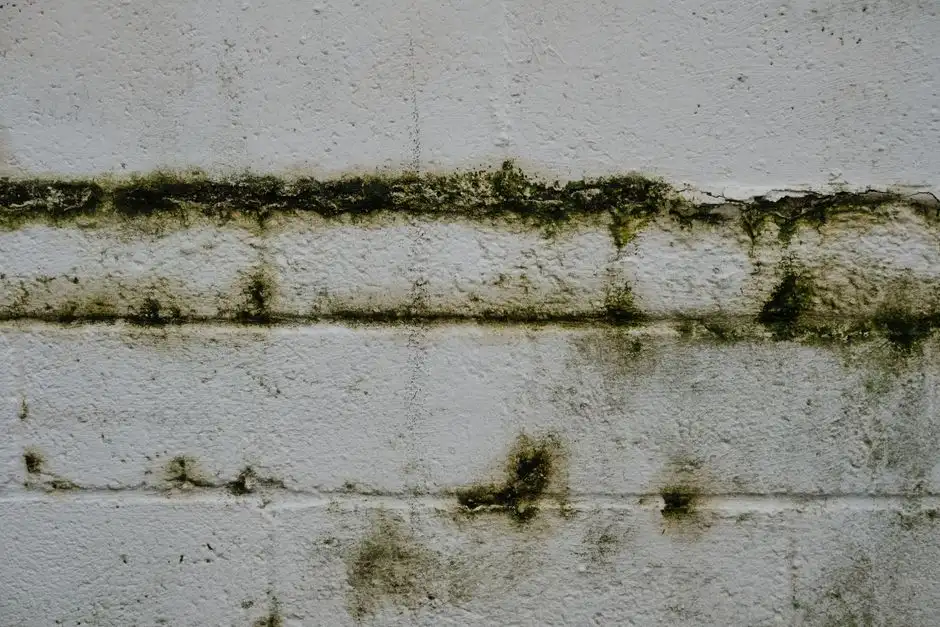
Dark staining on block walls or ceiling tiles is a classic sign of mold growth from chronic moisture. In older South Edison basements, it often starts at the bottom of the wall where groundwater seeps through. If it wipes off and comes back, it is active.

3. Warped or soft drywall

Drywall that feels soft, bulges, or shows a water stain has been wet long enough to grow mold behind the paper. This is common after a slow leak or a storm flood. The drywall usually has to come out, and the cavity behind it needs to be dried and treated.

4. Allergy symptoms that get worse indoors

If your allergies or asthma flare up at home and ease when you leave, mold spores may be the cause. This is especially common in South Edison homes with damp crawl spaces. Air quality testing can confirm whether indoor spore levels are elevated.

5. Condensation on windows or pipes

Constant condensation means indoor humidity is too high, which is all mold needs to grow. In South Edison, this shows up most in basements and crawl spaces during humid summers. A dehumidifier and better ventilation usually solve it before mold starts.

Local Problem Patterns

Common Mold Problems in South Edison

South Edison has a specific set of conditions that drive mold problems: older housing stock, proximity to the Raritan River flood-prone areas, humid summers, and a lot of original basements and crawl spaces. Those factors combine to make certain problems repeat across the neighborhood. If you are looking for mold remediation South Edison New Jersey homeowners trust, these are the issues local providers handle most.

Basement flooding after heavy rain

Why it happens here

South Edison sits close to the Raritan River flood-prone areas, and storm-water systems can surcharge during heavy rain. Water comes in through floor drains, foundation joints, and window wells. Older block foundations are especially prone to seepage.

The provider's approach

Local providers extract the water, remove any soaked materials, and dry the basement with commercial dehumidifiers and air movers. Local providers treat the block with an antimicrobial solution and recommend a sump pump and vapor barrier setup to reduce the next storm's impact.

Crawl space mold from bare dirt floors

Why it happens here

Many South Edison crawl spaces still have bare dirt and open vents. Ground moisture rises all summer, humidity climbs, and mold grows on the joists and subfloor. The musty smell then moves up into the living space.

The provider's approach

Local providers remove the mold, install a 6-mil polyethylene vapor barrier across the floor and up the walls, and seal the seams. Where it makes sense, local providers add closed-cell spray foam insulation on the rim joists and seal the vents to control humidity year-round.

Attic mold from roof leaks and poor ventilation

Why it happens here

Older South Edison homes often have bathroom exhaust fans that vent into the attic instead of outside. Combined with a slow roof leak, that warm, moist air feeds mold on the roof decking. It is one of the most common hidden problems local providers find.

The provider's approach

Local providers inspect the sheathing with a boroscope inspection camera, fix the moisture source, and remove moldy decking where needed. Local providers treat the framing with an antimicrobial solution and reroute exhaust fans so they vent outside the roof.

Sewage backup contamination after storms

Why it happens here

Heavy rain can overwhelm municipal sewer lines, pushing water back up through floor drains and basement fixtures. That water is Category 3 contaminated, and it leaves behind bacteria and a strong odor if it is not treated correctly.

The provider's approach

Local providers treat every backup as contaminated. That means removing porous materials, disinfecting with Benefect or Decon 30, HEPA vacuuming after drying, and running a ULV fogger for odor. Local providers also check the floor drain and lateral so you know what to expect next storm.

Year-Round Coverage

How Seasons Affect Mold Removal in South Edison

Mold grows year-round in South Edison, but the triggers change with the seasons. Spring brings snowmelt and rain, summer brings humidity, fall brings leaf-clogged gutters and roof leaks, and winter brings ice dams and condensation. Knowing what to watch each season helps you catch a problem before it becomes a mold job.

Spring

Snowmelt and spring rain push water into basements and crawl spaces across South Edison. Block foundations weep, sump pumps run constantly, and floor drains back up. This is when local providers see the most basement flooding calls.

Tip

Test your sump pump before the first big rain and clear the discharge line. If your basement smells musty in March, get it checked before summer humidity makes it worse.

Summer

Humidity is the main driver in summer. Crawl spaces with bare dirt hit 80 percent relative humidity, and basements without dehumidifiers grow mold on walls and stored items. HVAC coil and duct mold also shows up when condensate drains clog.

Tip

Run a dehumidifier in your basement and crawl space and keep indoor humidity under 55 percent. Change your HVAC filter monthly and check the condensate drain for clogs.

Fall

Falling leaves clog gutters and downspouts, which sends water into roof edges and foundation walls. Slow roof leaks that started in summer start showing as attic mold. Basements stay damp from the wet fall weather.

Tip

Clean your gutters before the first freeze and check the attic for dark staining on the roof decking. Extend downspouts at least six feet from the foundation.

Winter

Ice dams on the roof can force water under shingles and into the attic, where it feeds mold on the decking. Indoor condensation on cold pipes and windows raises humidity. Frozen pipes that burst cause sudden water damage.

Tip

Insulate attic pipes and check for ice dams after a freeze-thaw cycle. If a pipe bursts, shut off the water and call the provider right away. Extraction prevents mold.

Hiring Smart

What to Ask Before Hiring a Mold Removal Company

Not every mold company in South Edison does the same work. Some spray and paint over the problem, and it comes back within a year. Before you hire anyone, ask these questions. The answers will tell you whether you are getting a real remediation job or a quick cover-up.

  1. 1

    "Do you follow the ANSI/IICRC S520 standard?"

    Why it matters

    This is the industry standard for mold remediation. A company that follows it uses proper containment, removal, and verification. If they do not know what it is, they are not doing professional remediation.

  2. 2

    "Will you test before and after the work?"

    Why it matters

    Pre-testing tells you what is there and where it came from. Post-testing proves the job worked. A company that skips verification has no way to show the mold is actually gone.

  3. 3

    "Are you licensed and insured in New Jersey?"

    Why it matters

    Mold remediation and repairs are home improvement work in New Jersey, so the contractor needs an HIC registration. Liability insurance and workers' compensation protect you if something goes wrong on your property.

  4. 4

    "What is your plan for the moisture source?"

    Why it matters

    Mold comes back if the water source is still active. A good contractor identifies and fixes the source before or during remediation. If the plan is only to clean the mold, walk away.

  5. 5

    "Do you provide a written scope with photos?"

    Why it matters

    A written scope with photos shows exactly what will be removed, treated, and rebuilt. It protects you if the job changes and makes insurance claims easier. Verbal estimates are a red flag.

Knowing the Area

Getting Around South Edison

Local providers use South Edison landmarks to orient their crews and plan routes. Edison Train Station and Edison High School are the two easiest reference points when local providers are scheduling, and Bonhamtown Park and Pumptown Park help them place addresses on the right side of town. Middlesex County College, just nearby, is another marker local providers use for the northern edge of their service area. Knowing the streets around these spots means local providers are not wasting time on navigation when your basement is wet.

Landmarks

  • Edison Train Station

    The station area has a dense mix of older homes and rentals, and parking is tight. Local providers plan around commuter traffic when scheduling morning jobs so they are not blocking driveways at rush hour.

  • Edison High School

    The neighborhoods around the high school include some of the oldest housing stock in South Edison. Local providers see a lot of original basements and crawl spaces here, and school-hour traffic affects their afternoon scheduling.

  • Bonhamtown Park

    Bonhamtown Park is a useful reference point for the surrounding residential blocks. Homes near the park sit on some of the lowest ground in the area, so storm-water and basement flooding calls cluster here.

Commercial Districts

  • Raritan Center industrial corridor

    Warehouses and light industrial buildings near Raritan Center generate commercial mold calls from roof leaks and HVAC problems. Local providers work after hours so operations are not disrupted, and they document everything for property managers.

  • Route 1 commercial strip

    The Route 1 corridor has retail and office space where local providers handle commercial mold removal, often after a roof leak or a failed HVAC unit. These jobs need tight containment so customers and staff are not exposed during business hours.

Transport & Access

  • Edison Train Station

    The station is a central reference point for South Edison. Local providers use it to route crews to the eastern side of town and to plan around commuter parking and traffic.

  • Route 1 and Interstate 287

    Ask the provider about current availability when you call.

!

Get Mold Removal in South Edison Before It Spreads

Call (555) 555-1234 and we will connect you with an independent local provider for mold removal in South Edison, Edison. Describe what is going on, and the provider can give you a price before any work starts.

Call Now: (555) 555-1234